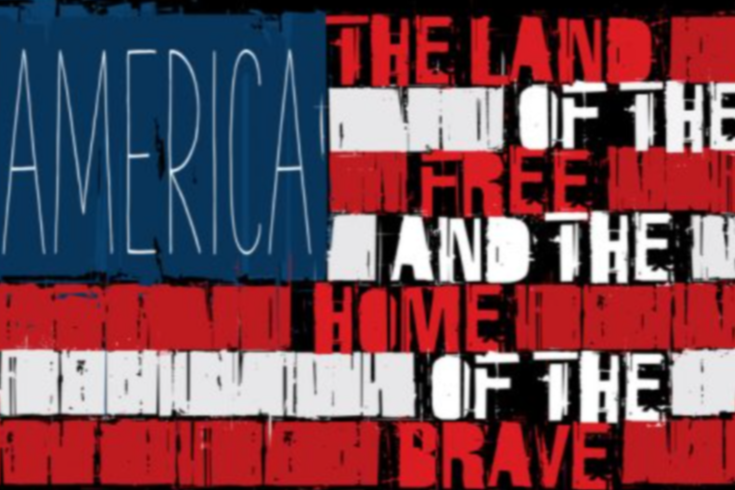
Why Dirty Ayrab, Dirty Ayrab matters now is because questions of belonging, othering, nationalism, identity, and racialized fear are not just historical. The conditions this story examines have not disappeared. In many ways, they have intensified.
We are living through renewed battles over who gets to belong in America.
Immigrant identity, racialized suspicion, and cultural exclusion remain at the center of American life.
This film speaks directly into that conversation.
While rooted in a specifically Arab American experience, Dirty Ayrab, Dirty Ayrab also speaks to a far broader immigrant story: the tension between belonging and self-erasure, between survival and cultural inheritance.
At its core, the film examines a dilemma familiar to generations of immigrants in America:
How do you fit in without disappearing?
How do you survive in a culture that often rewards assimilation, while holding onto the language, memory, customs, and identity that make you who you are?
For many immigrant families, belonging has come with an unspoken cost—a softening of accent, a shortening or changing of names, a hiding of difference, a quiet dilution of heritage in exchange for safety, acceptance, or opportunity.
This film gives emotional and cinematic form to that bargain.
It reveals that assimilation is often described as success, but can also be experienced as loss.
And in that way, the story reaches far beyond one family. It resonates with anyone whose parents or grandparents altered themselves to survive in America—whether Arab, Jewish, Irish, Italian, Mexican, South Asian, Black migrants from the American South, or countless others shaped by the pressure to become less visible in order to belong.
Dirty Ayrab, Dirty Ayrab asks what is preserved, what is surrendered, and what fractures when survival requires a watering down of self.
That question is deeply American.
And urgently relevant.